
Coddled Kids!!

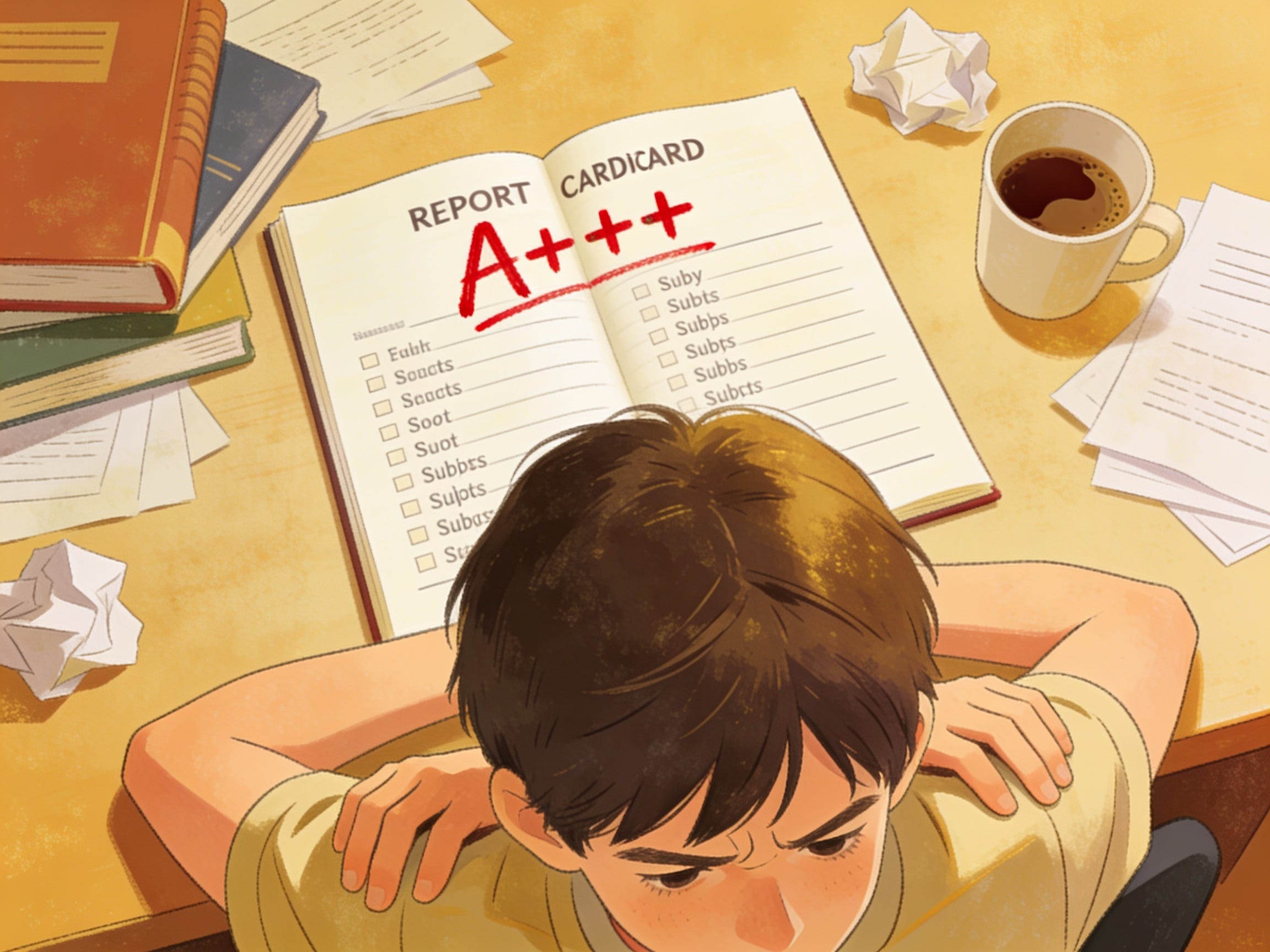
Damn coddled kids who got participation trophies can’t even get over the bar set by the soft bigotry of low expectations and god only knows how they will ever survive when they get into the REAL world!
This compacted sentiment represents the view of 99% of readers responding to the University of Michigan’s plan to give some students Pass/Fail assessments in their first semester, beginning in 2027.
As the NYT reported, “. . . It is intended to relieve pressure on freshmen and help them ‘start strong and curb the mental health crisis unfolding among college-aged individuals,’ the university said in a statement.”
Some folks fretted that Michigan’s reputation would crumble, just like the bridges designed by the pathetic engineer crybabies turned out by the once great institution turned to progressive mush by wimpy administrators. And that’s not to mention the concerns of those who fear undergoing surgery at the hands of a pampered product of progressive permissiveness who wasn’t baptized in the fierce fires of freshman failure.
Among 857 comments, fewer than a handful applauded the plan.
As a practical matter, this eruption of angst is absurd, even if one believes that grades and gritty striving are the essence of learning. Under the plan, students will still get grades behind the curtain, and those grades will be included in GPAs and in various institutional reports. And, of course, the same grade-grubbing, high stakes, eating-disorder, depression-inducing race will commence after this short breather. The future bridge designers and heart surgeons will have 3 1/2 years to run the gauntlet of all-nighters and crushing disappointments.
I too object - to the limited scope of this intent and to the baffling lack of understanding about learning, motivation, cognition and human development. If Michigan or any other university had the balls, other than basketballs and footballs, they would abolish grades entirely. I do sympathize. Our cultural misunderstanding of schools and learning is so deeply ingrained that few would even apply to such a place.
A simple notion, oft-employed by some educators to make a deeper point, is: Not everything measured is important, and not everything important can be measured.
Grading systems, standardized testing and the national obsession with data make the fundamental error of predication on the near absolute pre-eminence of measurement. At the pre-K-12 level, this has led to decades of increasingly bad policy and practice. Everything but this reliance on meaningless data is blamed for poor outcomes. It’s the teachers. It’s the unions. It’s the irresponsible parents.
Along with the collateral damage left behind by the hard bigotry of high expectations, the systems in place throughout education rely on extrinsic motivation - rewards, praise, grades, prizes. A 2021 post more thoroughly explicates this argument.
Any dilettante psychologist knows that extrinsic motivators are less effective and less-enduring than intrinsic motivators - curiosity, self-realization, competence, purpose. Research shows that extrinsic emphasis essentially extinguishes curiosity by 8th grade. That’s among the reasons that the most asked question among striving students is, “Will this be on the test?”
As an example, I cite a lovely chat with a recent Calhoun graduate who went on to Princeton. I should note that she did so without undue stress, without any class ranking, without any AP or honors courses, very few exams and with minimal school or family pressure. She remarked, as have many of our graduates regardless of their college choice, that many of her freshmen peers were burned out and incurious, despite – or perhaps because of – all the achievement. But the funniest part of her report was about an essay assignment.
The professor said, “Write about whatever you’d like. I just want to get a sense of your thinking and your writing skills.”
“But, but …” replied several students, “What do you want us to write about?”
“Whatever interests you,” replied the professor.
“But what are we supposed to write about? What are we supposed to be interested in?”
The exchange consumed several minutes, clearly frustrating the professor and amusing my young friend. How can these bright students change the world if they don’t even know what they are “interested in?”
The magic of discovery, the experience of beauty and the power of lifelong curiosity are sacrificed in the chase for the elusive gold ring of acceptance into the next - whatever.
(Because this post is based on an elite university’s action, the focus is on the needless harm done to advantaged kids, but the harm to poor kids, particularly of color, is several orders of magnitude greater. The corrosive effects of poverty and racism make it nearly impossible to succeed.)
Most vicariously infuriating is the incessant insistence on calling these young adults “coddled” or “pampered.” They were in 5th or 6th grade when the Covid pandemic disrupted school and everything else in their lives. They’re living through the disintegration of our social order, the constant threat of gun violence and the terrifying effects of climate change.
The least we can do is offer a few months of slightly less stress. If some of them use the time to be carefree and just have fun, all the better.
Yes to all this, especially this line: "Any dilettante psychologist knows that extrinsic motivators are less effective and less-enduring than intrinsic motivators - curiosity, self-realization, competence, purpose."
My child is homeschooling and said recently of the comments section of a homeschool class he's in, "You gotta love homeschoolers. They don't "like" things they LOVE things." (The students were invited, not required, to share their interests in the comments section of the class the first day, and he was amused by how very INTO various hobbies, interests, etc. people were.) These are the students who, from grades k-8, have had the great good fortune to learn without tests or grades (or if homeschoolers have them, they are most likely low stakes and infrequent.)
As a Princeton alum, I appreciated and identified w/ your student's story. Must add: the homeschooling parent part of me sees the the stamp of approval/well-established history of a high-cost place like Calhoun freeing her from the need to jump on the hamster wheel of APs in a way a public school or homeschool student doesn't quite feel free/able, without a bit of brazen "so be it" on the college admissions front, but I appreciated the spirit of the story nonetheless.
Thank you, as always, for writing.